Kajang, 9 July – In an effort to strengthen systematic and conducive workplace practices at Universiti Putra Malaysia (UPM), a delegation of 16 staff members from the Centre for Corporate Strategy and Relations (PSPK) conducted a benchmarking visit to the Kajang Municipal Council (MPKj), renowned for its effective and comprehensive implementation of the Public Sector Conducive Ecosystem (EKSA). The visit was led by PSPK Deputy Director, Mr Noor Mohamad Shakil Hameed, accompanied by officers directly involved in environmental and internal administrative management.
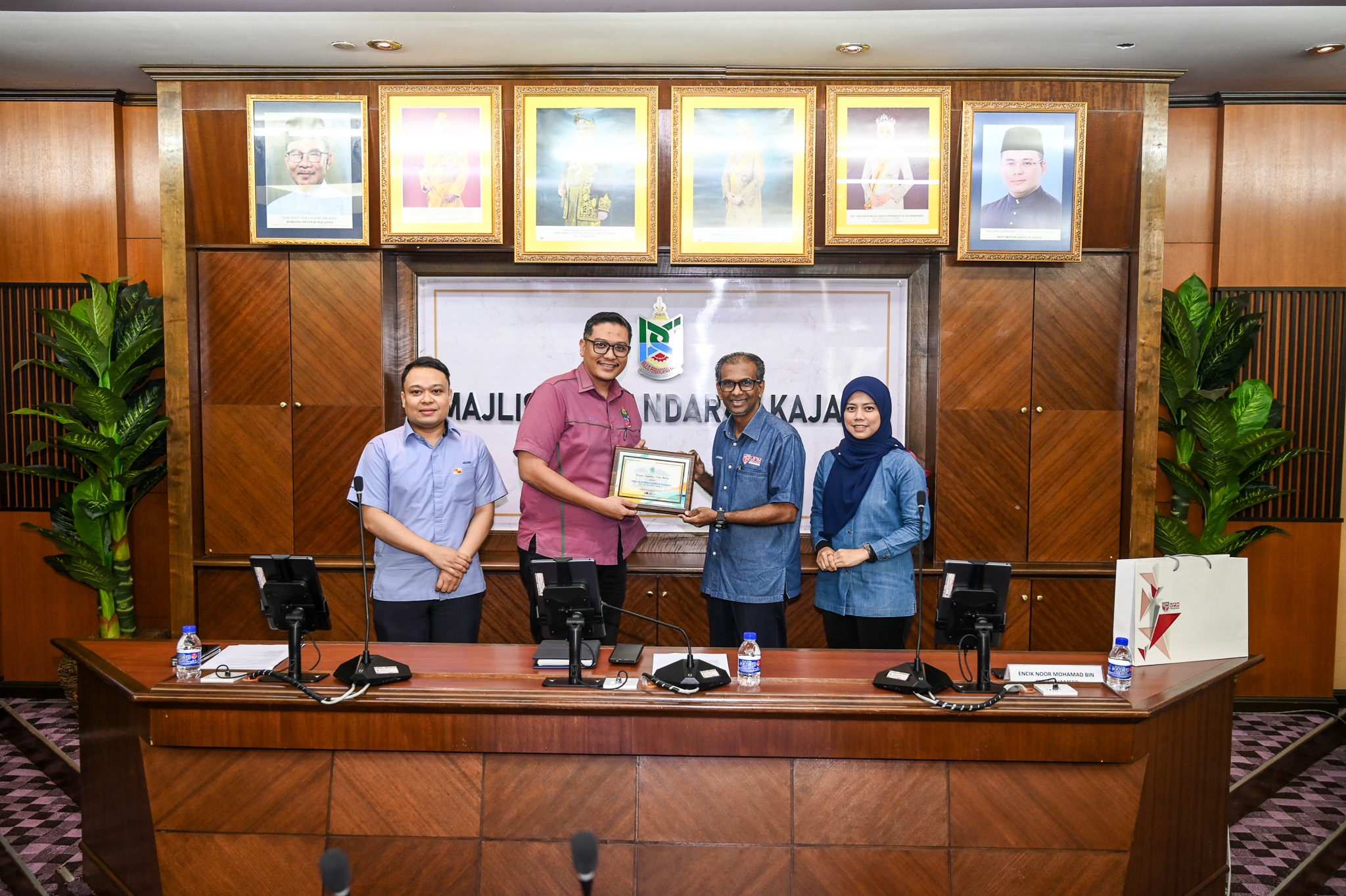
The delegation was warmly received by Mr Kamarul Izlan Sulaiman, Director of the Department of Corporate and Community Development at MPKj, who, in his welcoming remarks, emphasised the importance of a conducive and orderly work culture in enhancing the efficiency of service delivery to the public. This was followed by a comprehensive briefing delivered by MPKj EKSA Coordinator, Mr Muqni Mubarak bin Anwar Mubarak, who shared in detail the journey and strategies behind EKSA implementation at the local authority.
According to Mr Muqni, EKSA was first implemented at MPKj in 2022, with official certification successfully obtained on 15 November 2024. What sets MPKj apart is its self-driven approach to EKSA implementation, relying not on external consultants but instead guided by facilitators appointed from the Selangor State Secretary’s Office (SUK) for monitoring and coordination purposes. Notably, EKSA at MPKj is organised into seven zones, each named after iconic recreational spots in the Kajang area—such as Tekali, Tekala, Broga, Congkak, Nuang, Gabai, and Pangsun—to foster a sense of ownership and local identity in workplace management.
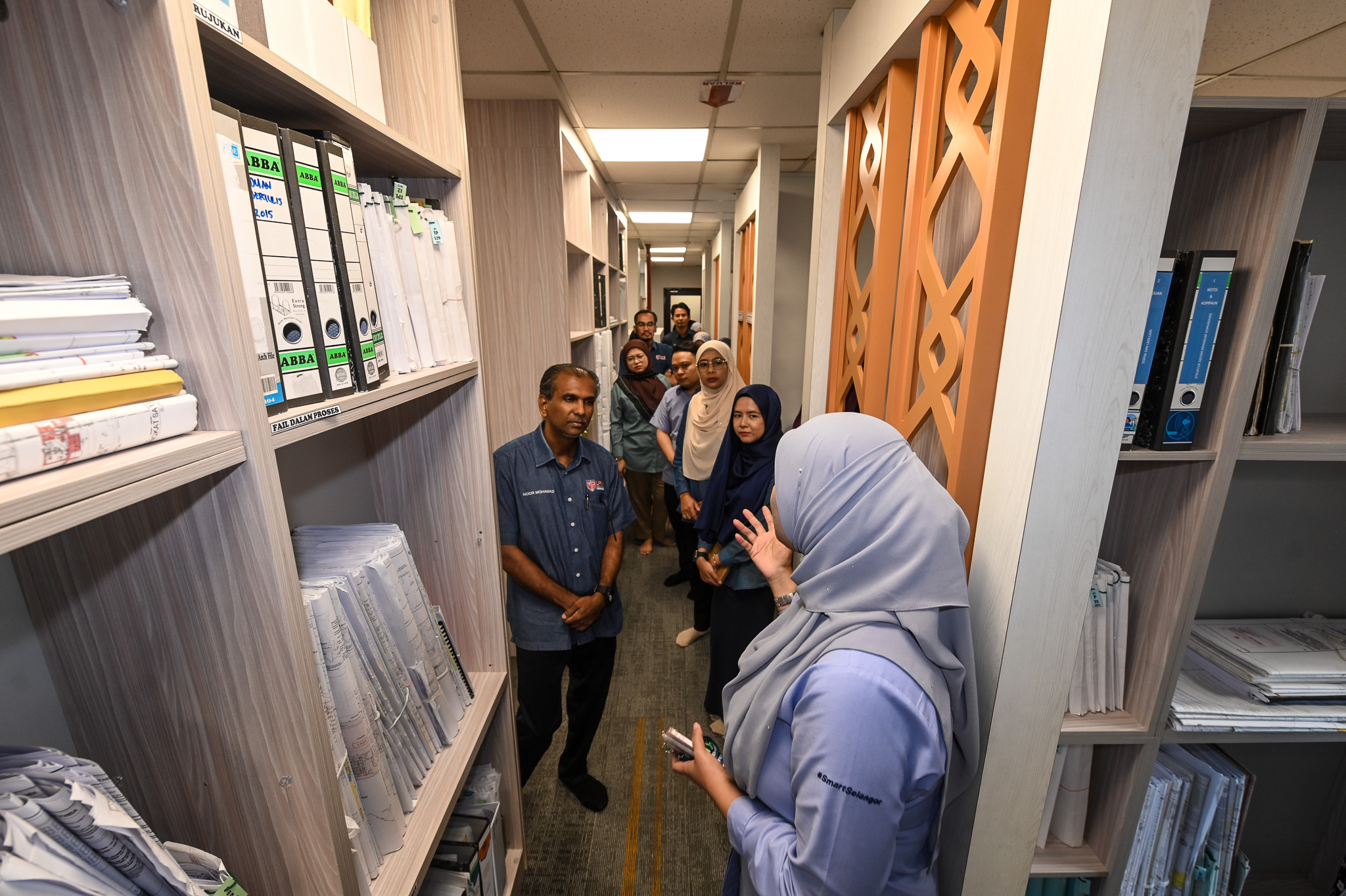
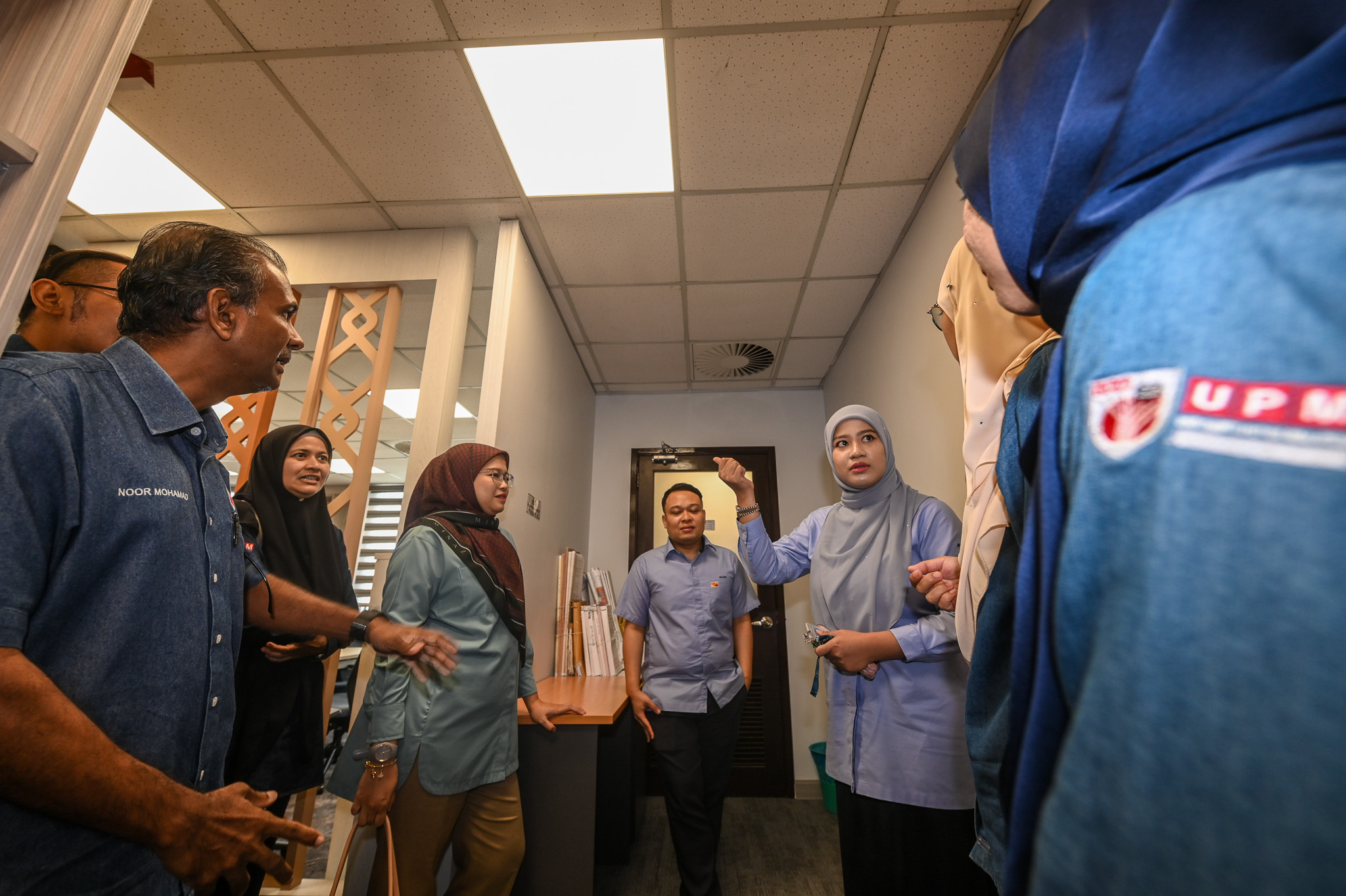
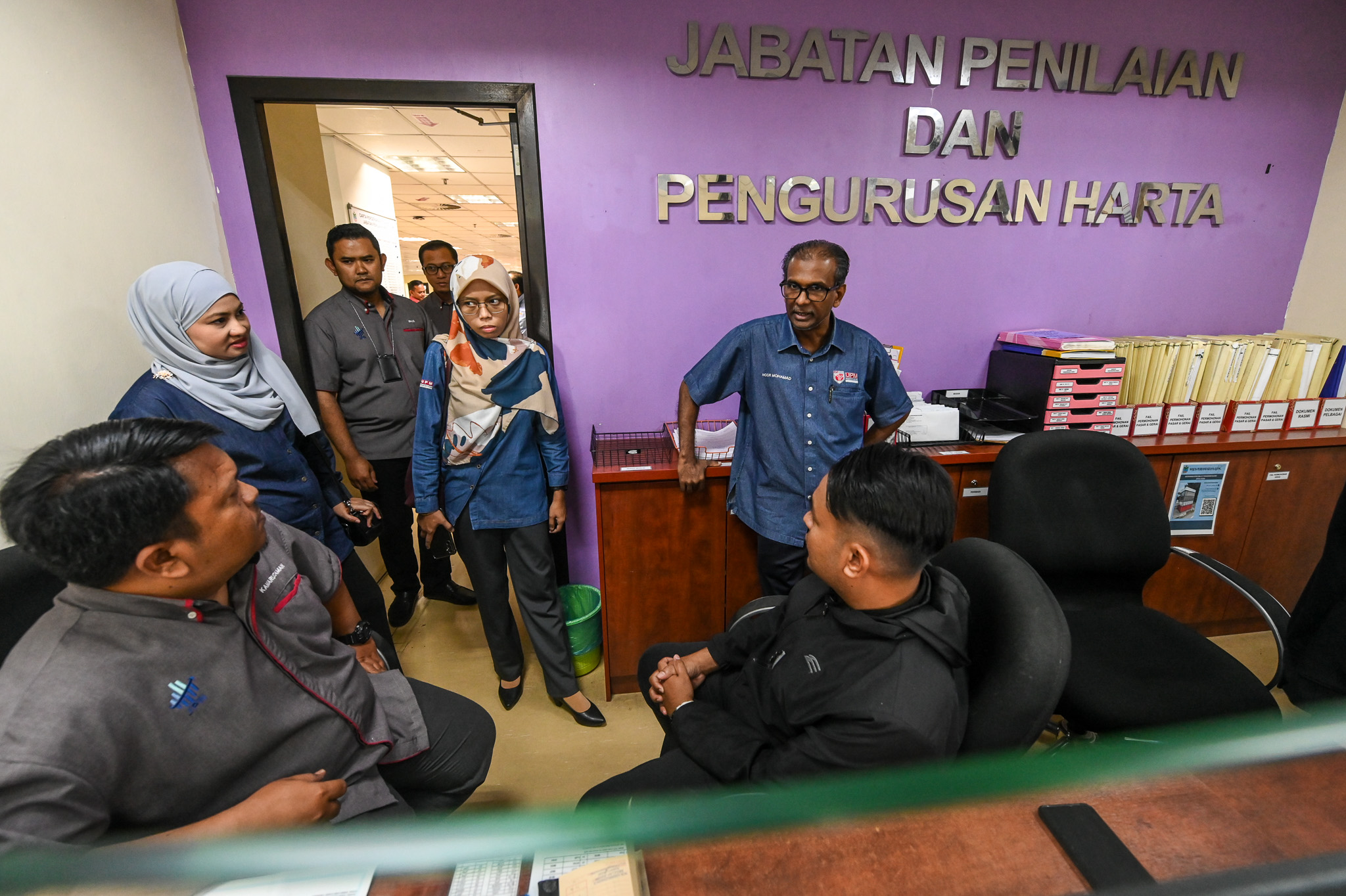
The PSPK delegation was also given the opportunity to observe the actual implementation of EKSA at key departments, including the Valuation and Revenue Management Department, the Building Control Department, and the rooftop area, which has been transformed into a green relaxation space for staff. The site visit allowed participants to gain firsthand insight into how cleanliness, tidiness, and efficient spatial arrangement are translated into tangible and practical standards—not just on paper.
During a sharing session with members of the MPKj EKSA Committee, several best practices were highlighted, including consistent visual and documentation standards, regular inter-zone competitions to encourage a culture of excellence, and ongoing internal training and workshops to strengthen staff understanding and commitment to EKSA principles.
This benchmarking visit provided PSPK with valuable exposure to a robust and sustainable EKSA model, offering insights that can be adapted and tailored to UPM’s own context. The initiative aligns with the university’s aspiration to enhance governance and cultivate a professional work culture grounded in excellence.
Date of Input: 09/07/2025 |
Updated: 09/07/2025 | hairul_nizam
MEDIA SHARING